
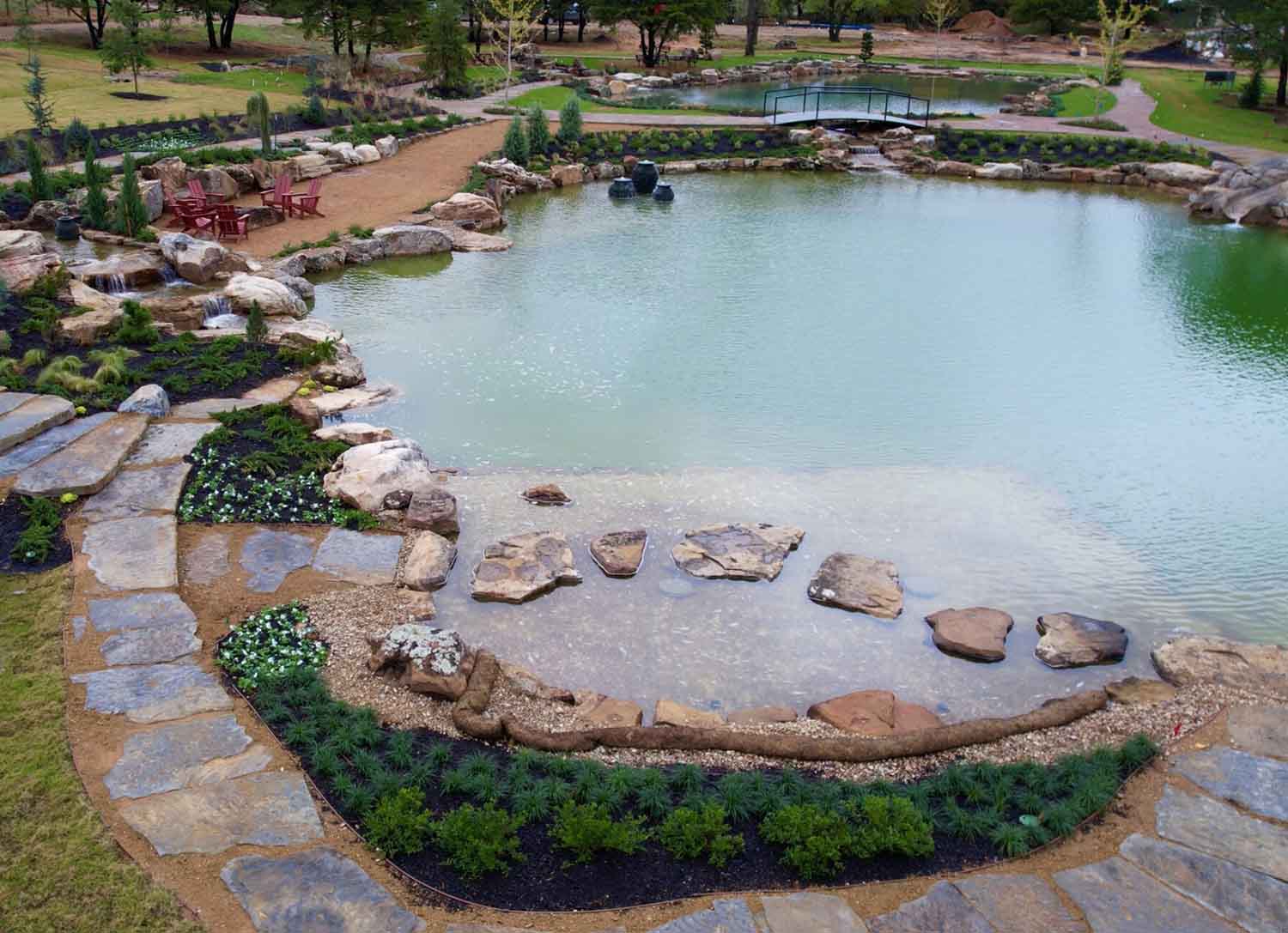
What Are The Components of a Natural Swim Pond?
A Natural Swim Pond (NSP) blends the beauty of a pond with the refreshment of a swimming pool—without chemicals, chlorine, or harsh treatments. Instead, it uses natural filtration, energy-efficient equipment, and artistic stonework to create a crystal-clear, eco-friendly swimming experience. Whether you’re building one in Central Texas or anywhere across the Hill Country, understanding the core components will help you appreciate the engineering—and beauty—behind a Natural Swimming Pool.
Below are the essential parts that make a Natural Swim Pond function at its best.
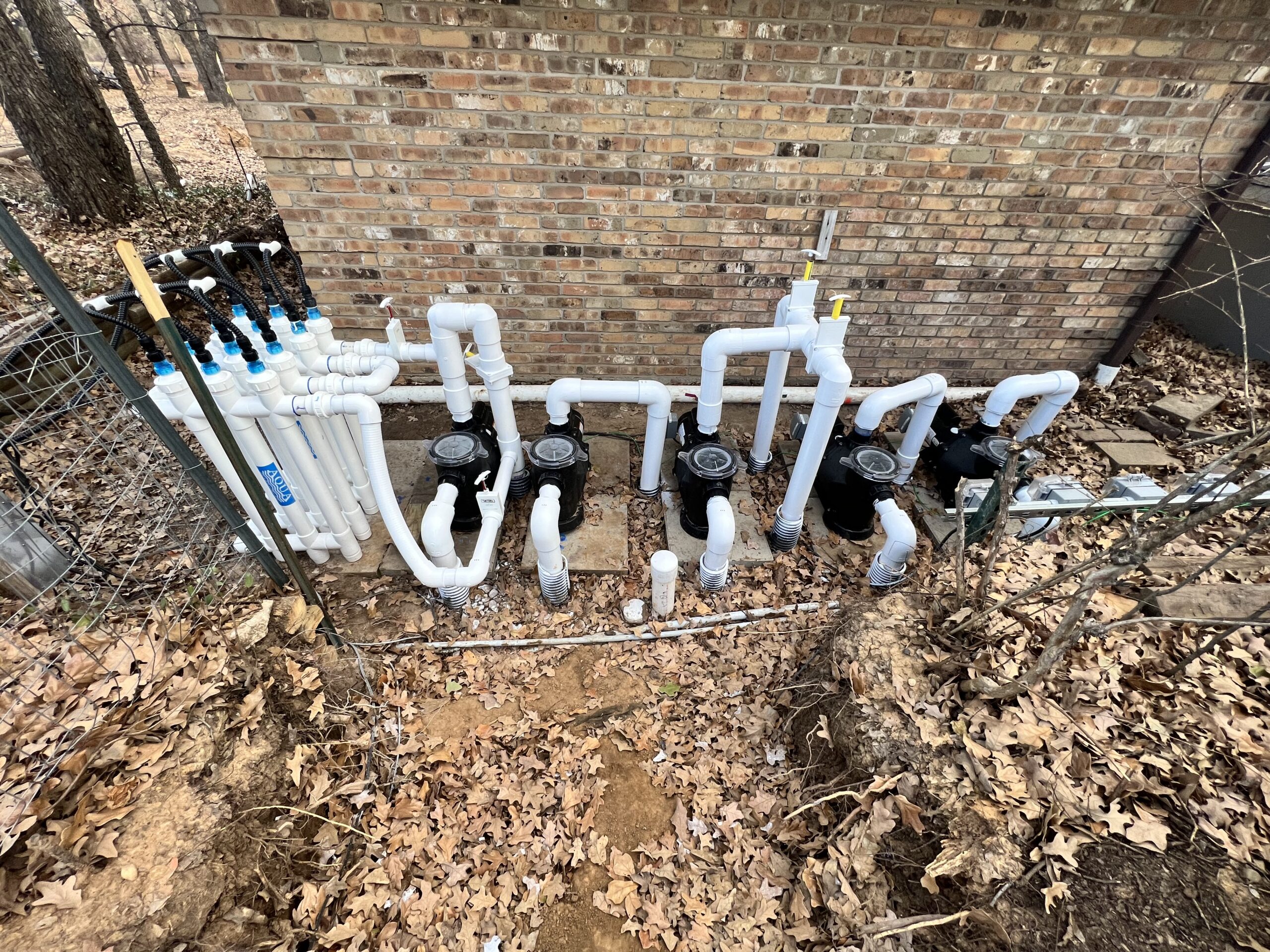
1. External Pumps (The Heart of Water Circulation)
Unlike traditional pools that rely on oversized pumps and chemical feeders, a Natural Swim Pond uses low-energy external pumps designed for continuous circulation. These pumps gently pull water from the swim zone and push it through the filtration areas—whether that’s a wetland filter, intake bay, skimmer, or regeneration zone.
Why external pumps matter:
- They run 24/7 with minimal energy consumption.
- They ensure proper oxygenation for beneficial bacteria.
- They support the biological filtration cycle, helping keep the water clean and balanced.
High-quality external pumps are durable, quiet, and built to withstand year-round use, which is perfect for Texas climates where systems run in long, hot seasons.
2. EPDM Liner (The Foundation of a Leak-proof Pond)
A Natural Swim Pond requires a strong, flexible liner to shape the pond and retain water. EPDM (Ethylene Propylene Diene Monomer) is the industry standard for Natural Pools due to its durability.
Types of EPDM Liner Used in Natural Swim Ponds
45-mil EPDM Liner
The most common liner, offering excellent flexibility and easy installation around boulders, shelves, and regeneration zones.
60-mil Reinforced EPDM Liner
Used for high-stress areas such as deep swim zones, steep shelves, or ponds with significant stonework and structural loads.
Textured EPDM Liner
Helps promote beneficial biofilm growth and provides more grip for underwater stonework.
No matter which type is chosen, EPDM liners are:
- UV-resistant
- Long-lasting (20–50 years)
- Fish-safe and chemical-free
3. Equipment Required for Building a Natural Swim Pond
Constructing a Natural Swim Pond is an engineering project that requires specialized tools and materials. Some of the key equipment includes:
- External Pumps for water circulation
- Skimmers or intake bays for mechanical filtration
What Is a Skimmer?
A skimmer is a mechanical filtration component designed to remove floating debris such as leaves, pollen, and dust from the surface of a Natural Swim Pond. It works similarly to those found in traditional pools but is crafted to suit a natural water environment. Water is drawn into the skimmer by the pump, where a basket collects debris before it sinks and begins to decompose.

What Is an Intake Bay?
An intake bay is an advanced mechanical filtration option used in many higher-end Natural Swim Ponds. Instead of a traditional skimmer, an intake bay uses water movement and suction to pull floating debris across the surface into a designated collection zone. Rocks, gravel, and hidden compartments store the debris until it can be removed.
- Intake bays create a more natural look because they eliminate the need for visible skimmer boxes. They also improve circulation across the entire pond surface and move high volumes of water silently and efficiently. For larger Swim Ponds or ponds with significant plant covers, intake bays are often the preferred option.
- A properly placed intake style system keeps the water surface clean, reduces organic waste in the pond, and helps maintain excellent water clarity. In an NSP, the skimmer supports the biological filtration system by preventing excess nutrients from entering the water column, which helps reduce algae and improve ecosystem health.
- Wetland or biological filtration systems
- PVC or flexible plumbing lines
- Aquatic plants for nutrient absorption
- EPDM liner and underlayment
- Large river rock and gravel for bacterial colonization
- Boulders and hardscape materials for structural support
Together, these components create a living, self-cleaning system that mimics the natural purity of freshwater springs.

4. Large Boulders (The Architecture of Natural Beauty)
One of the defining features of a Swim Pond is the use of massive natural boulders. These stones serve both structural and aesthetic purposes:
- They create natural swim edges, steps, and diving platforms.
- They anchor waterfalls, shorelines, and regeneration zones.
- They give the pool an organic, timeless appearance that blends with nature.
Large boulders are placed with precision using machinery, ensuring safety and long-term stability. This stonework is one of the most artistic elements of Natural Swim Pond construction.

5. Underwater Lighting (The Best Part of All)
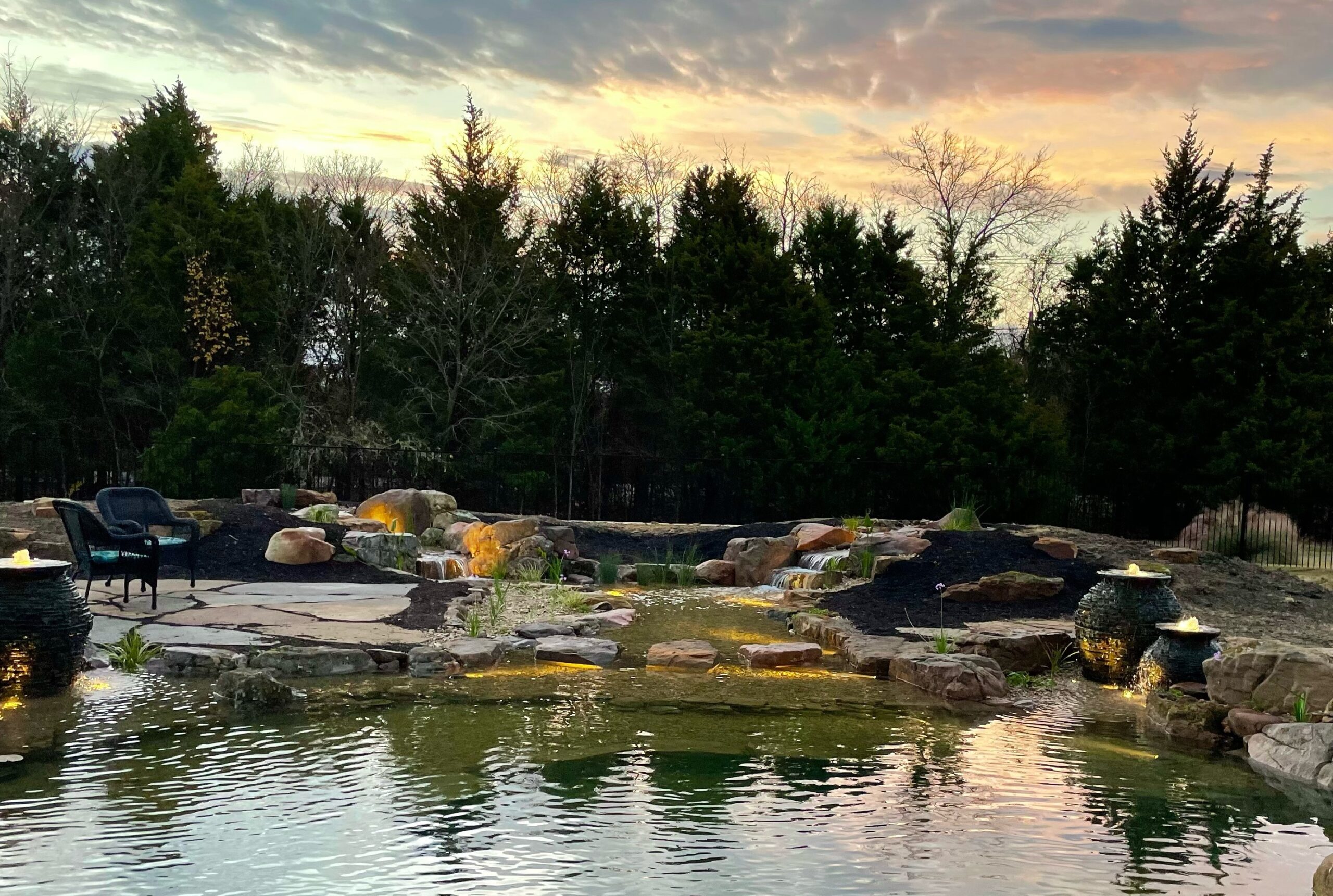
Underwater lighting transforms a Natural Swim Pond into a magical nighttime oasis. High-quality LED lights are strategically installed to illuminate:
- Swim zones
- Waterfalls
- Plant shelves
- Boulder arrangements
Benefits of underwater lighting:
- Creates a warm, inviting ambiance after sunset
- Enhances the clarity of the water
- Increases safety for night swimming
- Highlights the pond’s architectural features
Many homeowners consider lighting the “finishing touch” that brings the entire project to life.
Frequently Asked Questions about the Components of Natural Swim Ponds
What components make up a Natural Swim Pond?
A Natural Swim Pond includes external pumps, EPDM liners, biological filtration zones, boulders, plumbing lines, aquatic plants, and underwater lighting. These pieces work together to keep the water clean without chemicals.
What type of liner is best for a Natural Swimming Pool?
Most professionals use 45-mil or 60-mil EPDM liner, which is flexible, durable, and resistant to UV damage—perfect for long-lasting, leak-proof natural pools.
Do Natural Swimming Pools need pumps?
Yes. External low-energy pumps provide essential circulation, oxygenation, and support biological filtration. They run continuously at low energy cost.
What is the purpose of large boulders in a Swim Pond?
Large boulders provide structure, natural aesthetics, shoreline reinforcement, and safe access points for swimmers.
Can you add underwater lighting to a Natural Swim Pond?
Absolutely. LED underwater lighting enhances beauty, safety, nighttime swimming, and creates a resort-style atmosphere.
What’s the difference between a skimmer and an intake bay?
A skimmer removes floating debris using a collection basket, while an intake bay uses water movement to pull debris into a hidden collection area for a more natural look.
Ready to Build Your Natural Swim Pond?
If you’re ready to learn more about Natural Swimming Pools—or want to explore filtration options, design ideas, pricing, and lighting upgrades—contact Craig McBride at Swim Pond.
Craig provides professional onsite consultations throughout Central Texas, helping homeowners design and build stunning, low-maintenance Swim Ponds that blend naturally into the landscape.